


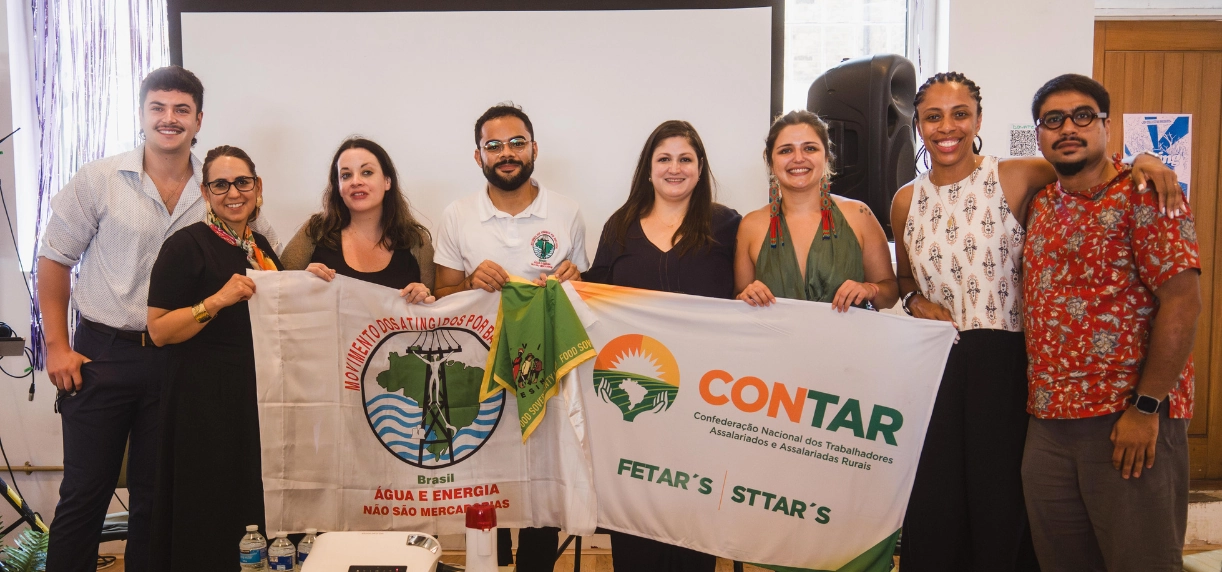
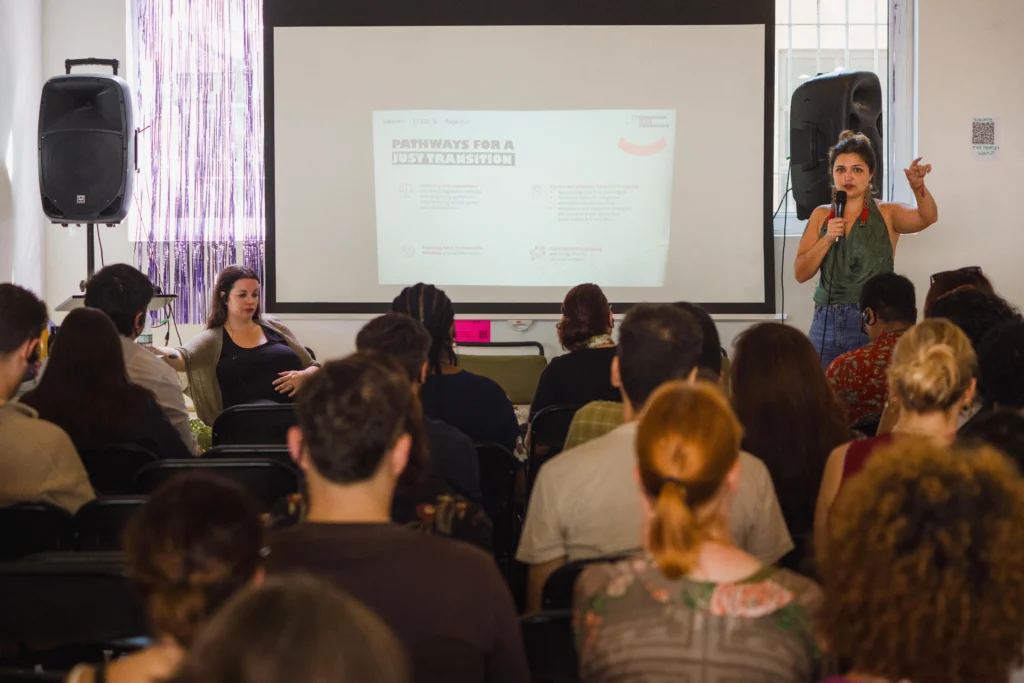
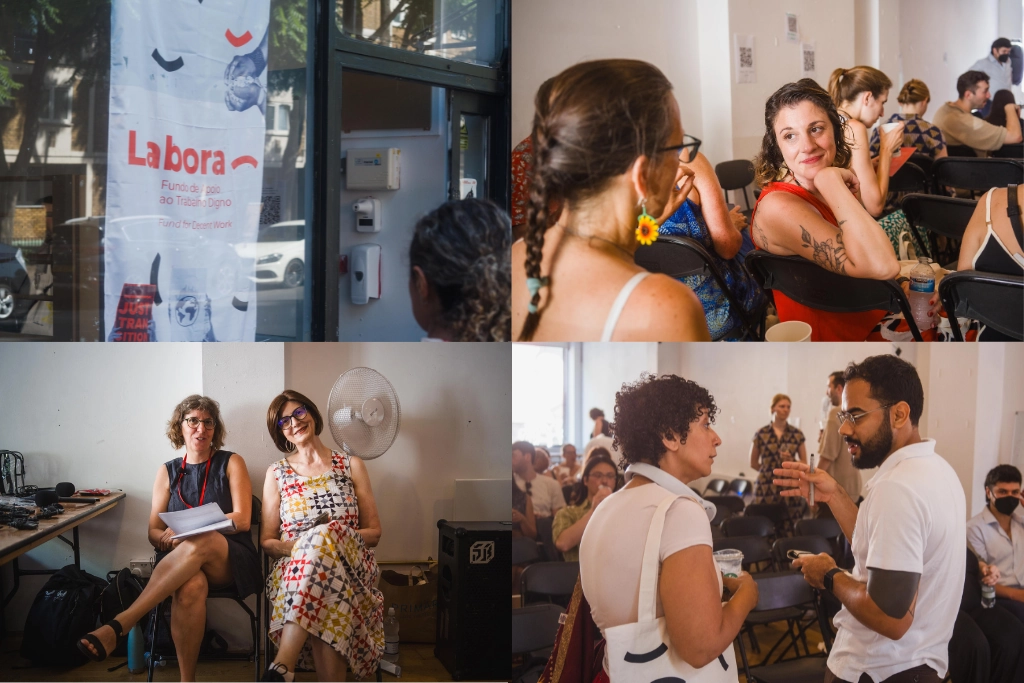
The work of organisations defending decent working conditions in the face of the climate crisis was the focus of the second debate promoted by Labora – Fund for Decent Work, an initiative of the Brazil Human Rights Fund, in partnership with FORGE – Funders Organized for Rights in the Global Economy, during London Climate Action Week.
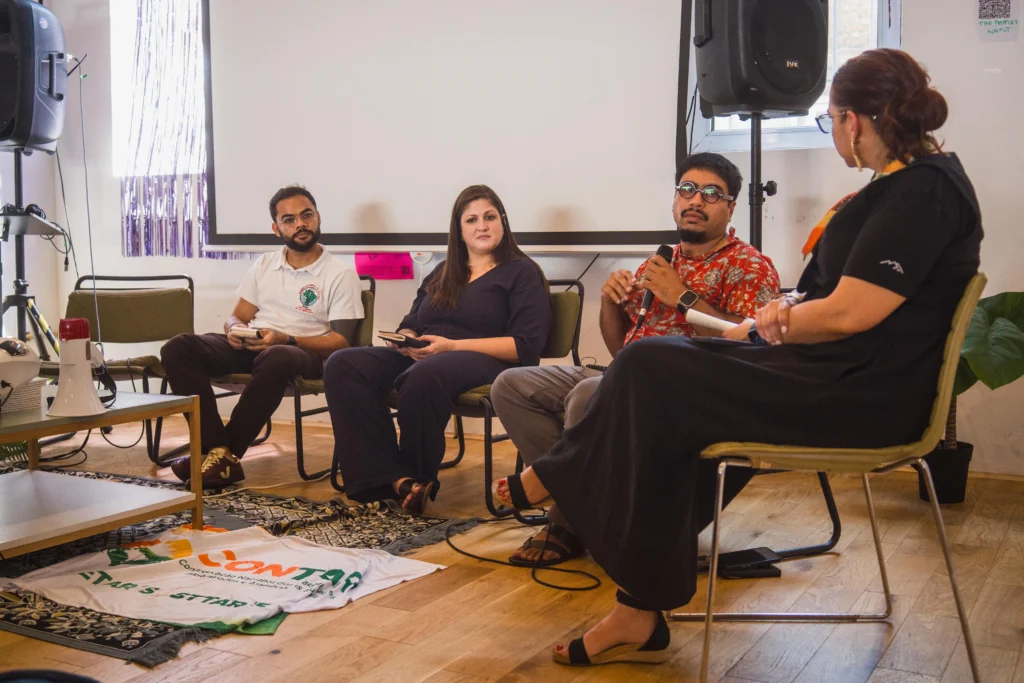
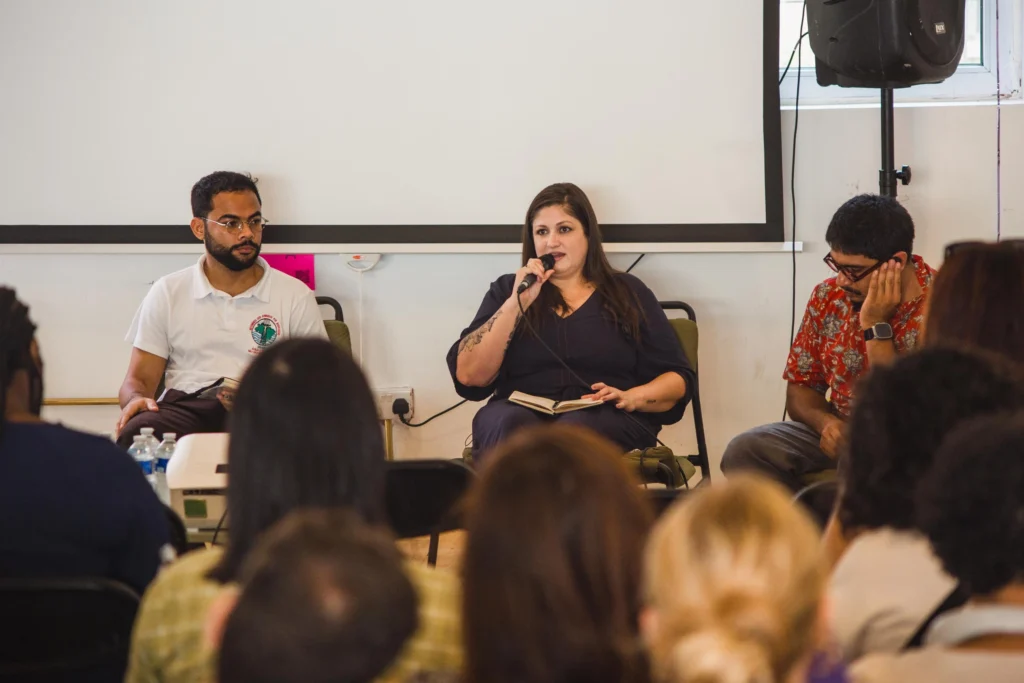
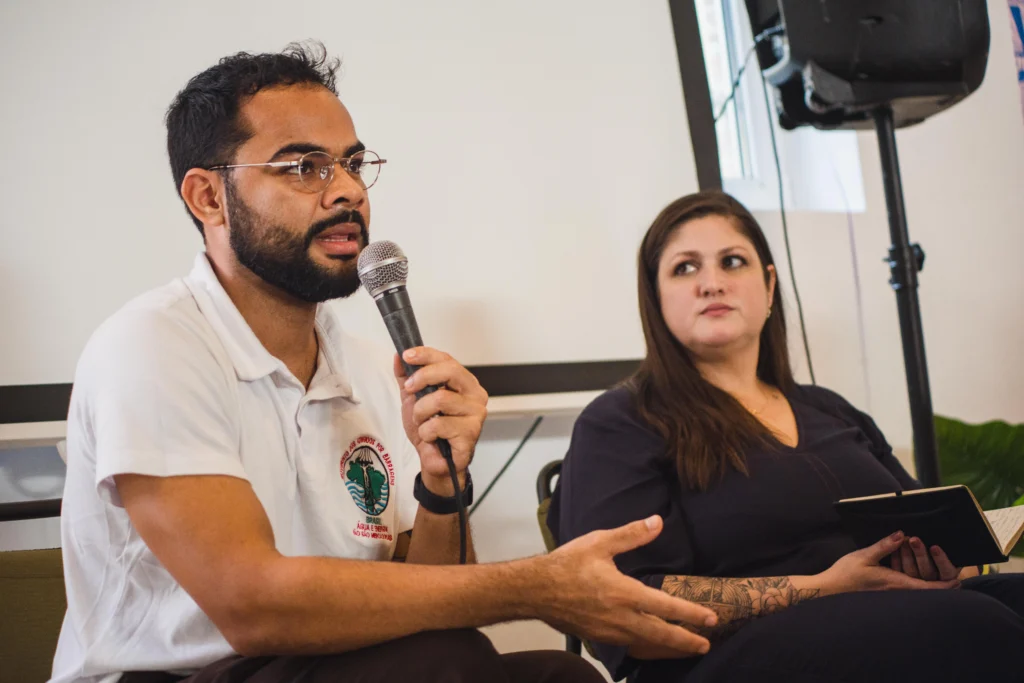
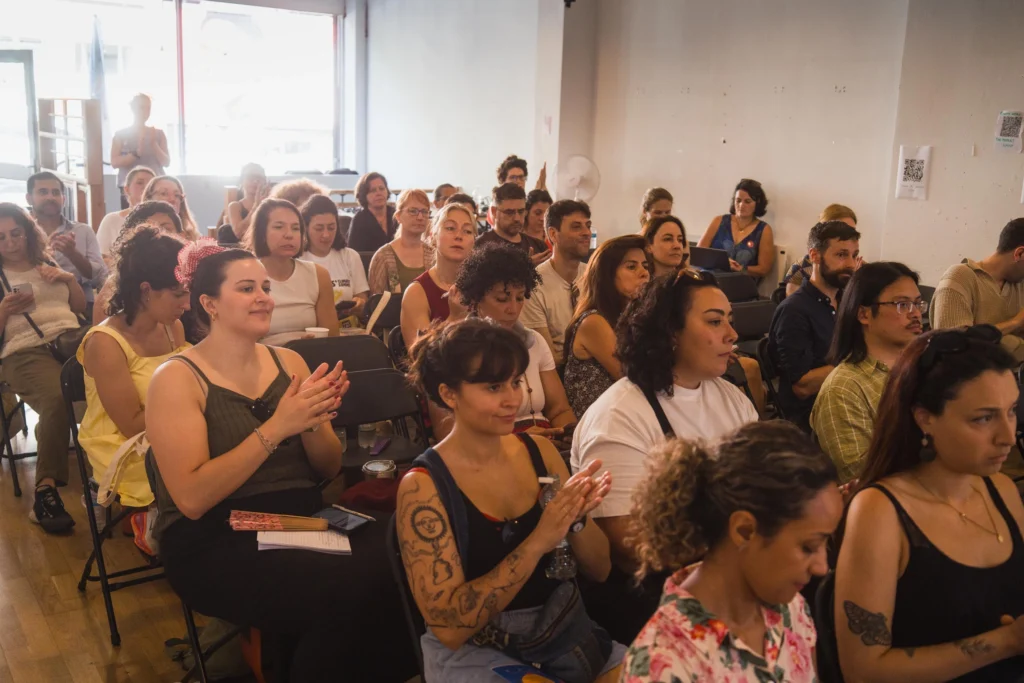
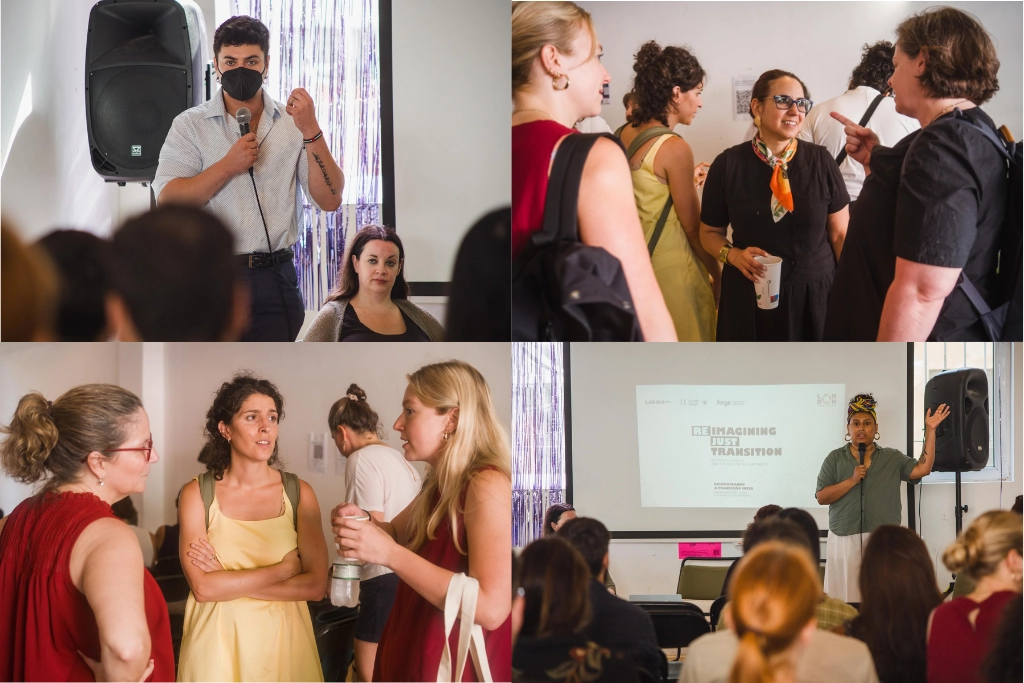
Held on 24 June at the headquarters of United Voices of the World in London, the session “Reimagining Just Transition: Workers, Climate and the Role of Philanthropy” created a space for exchange between leaders from waste picker organisations, rural workers and communities affected by dams and mining.
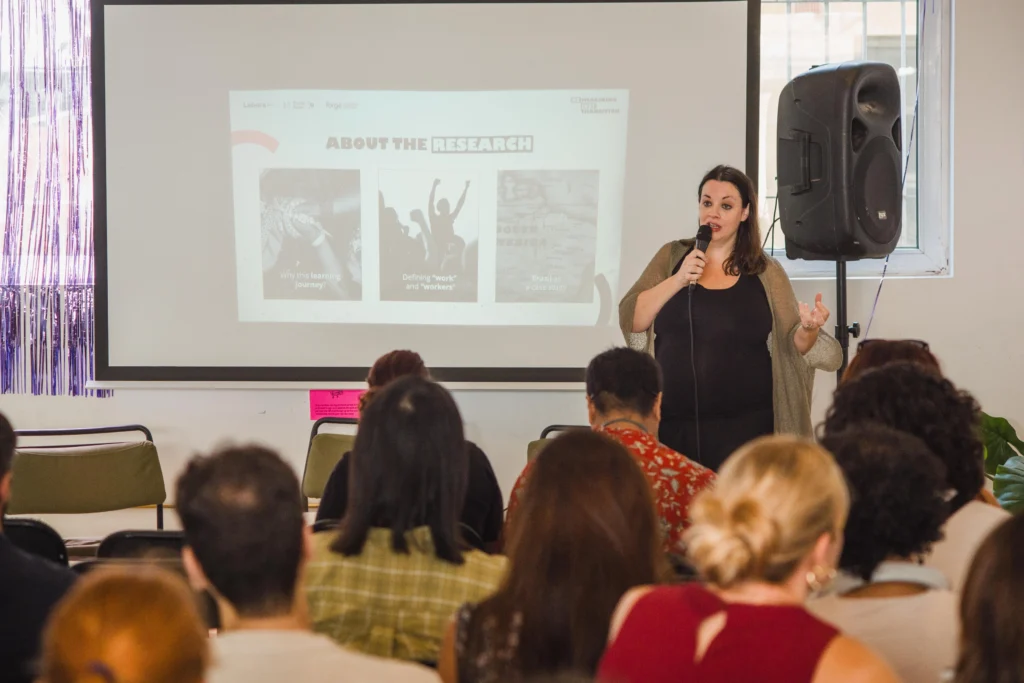
Introducing the debate, Maeve Galvin, programme director at FORGE, and Amanda Camargo, project coordinator at Labora, presented the results of a learning journey carried out over recent months with labour organisations, international trade unions and partners in Brazil.
The process sought to understand how the climate crisis is affecting different groups of workers, from agriculture and water-based communities to digital platforms, care workers, street vendors and waste pickers.
The learning journey showed that the impacts of the climate crisis go beyond heat and extreme weather events, affecting workers’ income, informality and capacity to organise. It also identified alternatives being built by workers themselves. “Even under very difficult and underfunded circumstances, workers’ organisations are creatively reinterpreting this context,” Amanda emphasised, citing strategies such as collective bargaining, defence of territories, agroecology and support points for informal workers.
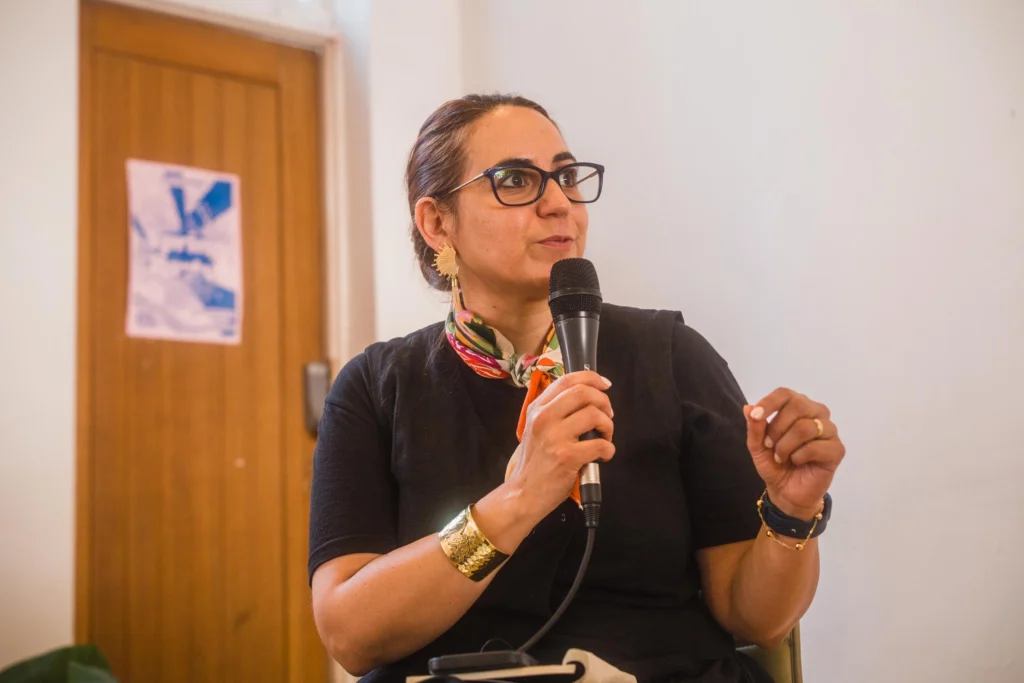
Moderating the debate, Maritza Silva-Farrell, programme coordinator for the Future of Workers at the Ford Foundation, highlighted the role of philanthropy in supporting organisations that are already building responses to the climate crisis in their communities and workplaces.
According to Silva-Farrell, any climate policy must start from those who experience these impacts in their daily lives. “Workers and impacted communities were already organising and adapting to existing conditions before we started talking about climate adaptation,” she recalled, reiterating that “the people who are affected are the ones who have the solutions.”
Waste pickers call for recognition in the circular economy
Kabir Arora, secretary-general of the International Alliance of Waste Pickers (IAWP), shared the experience of waste pickers, a workforce estimated at between 20 and 40 million people worldwide. According to him, many waste pickers come into this work after being displaced by extreme climate events.
Kabir also stressed that many waste pickers work in dumpsites and areas highly exposed to the effects of the climate crisis. In periods of heat, these spaces become even more dangerous, with a higher risk of fires and worsening working conditions. Even so, he argued, waste pickers are not only affected by extreme weather events: they also offer solutions. “On average, a waste picker reduces the carbon footprint of six and a half people,” he noted.
For Kabir, this is precisely the point: on one side, there is vulnerability; on the other, there is a concrete contribution to waste management and to tackling the climate crisis. Among the initiatives mentioned were cooperatives, decentralised waste management services, organic waste management and participation in extended producer responsibility policies.
Informality in rural work
The reality of salaried rural workers in Brazil was presented by Laíssa Pollyana, project coordinator at the National Confederation of Rural Wage Earners (CONTAR). The organisation represents around 4 million Brazilian rural workers.
Among the most alarming figures presented by Laíssa was the high rate of informality in rural work, which reaches 60%. This informality makes it harder for these workers to be recognised as rights holders and prevents many from accessing basic guarantees around labour protection, health and safety.
“Most of them work outdoors. They are exposed to extreme heat, cold, dust and wind, and are directly affected by pesticides,” she pointed out, citing sugarcane cutters, who often work in temperatures of 35°C to 40°C, cutting up to 14 tonnes of cane a day.
Still, Laíssa drew attention to the progress made through the implementation of NR 31, Brazil’s rural work health and safety regulation, which provides for measures such as fresh drinking water, sunscreen, toilets at worksites and covered rest areas.
Energy, mining and territorial justice
Francisco Kelvim, from Via Campesina and the Movement of People Affected by Dams (MAB), emphasised the struggles of communities affected by dams, mining and energy projects. He criticised what he called a “hegemonic transition”, marked by privatisation, pressure on territories and income concentration under the language of decarbonisation.
“There is no just and popular transition without democracy. There is no just transition without decent work. There is no just transition without securing our territories,” he stressed. As an alternative, Francisco cited the Veredas Sol e Lares project in the Jequitinhonha Valley, in Minas Gerais: a floating solar photovoltaic plant built with community participation, benefiting 1,200 families through discounts on their electricity bills.
Funding pressures on workers’ organisations
A question from the audience about climate funding brought an example of the political pressures affecting the sector. Laíssa Pollyana mentioned CONTAR lost funding from the US government at the start of the Trump administration. On the other hand, she highlighted that the support from FORGE is the first specifically focused on the climate agenda of rural workers.
Kabir Arora also noted that resource scarcity has long been a reality for waste pickers, which makes it even more important for projects themselves to become spaces for political education.
At the end, participants called for greater coordination between workers, communities and philanthropy. For Maureen Santos, from FASE Brasil, the meeting showed that spaces of struggle “are not only resistance, they are also alternatives”.
Tugce Oakley, who works in communications for the 2026 People’s Summit, drew attention to the situation of informal and migrant workers in Turkey, especially Syrians and Afghans. “We have many informal workers, especially after the war in Syria and the arrival of Afghans after the Taliban. They work in very hard conditions and their rights are not respected,” she said, calling for greater dialogue between labour organisations and social movements in different countries.
In its eighth edition, London Climate Action Week brought together more than 75,000 people across hundreds of activities around the city. The panel brought the perspectives of workers and communities already facing the impacts of the climate crisis into the international climate agenda, highlighting the alternatives they are building to defend their rights, territories and decent work.
Crédito: Giovanni Bello/ Acervo Fundo Brasil de Direitos Humanos
Crédito: Giovanni Bello/ Acervo Fundo Brasil de Direitos Humanos
Crédito: Giovanni Bello/ Acervo Fundo Brasil de Direitos Humanos
Crédito: Giovanni Bello/ Acervo Fundo Brasil de Direitos Humanos
Crédito: Giovanni Bello/ Acervo Fundo Brasil de Direitos Humanos
Crédito: Giovanni Bello/ Acervo Fundo Brasil de Direitos Humanos
Crédito: Giovanni Bello/ Acervo Fundo Brasil de Direitos Humanos