



Felipe Iruatã – Brazil Fund Archive
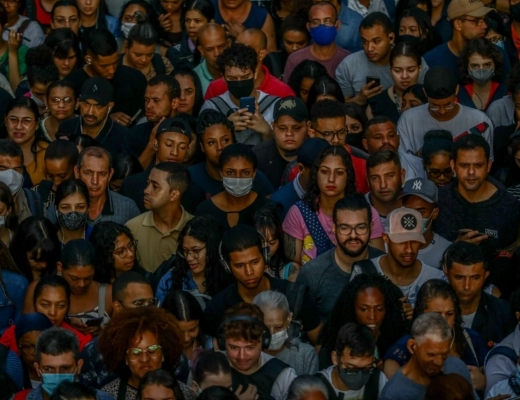
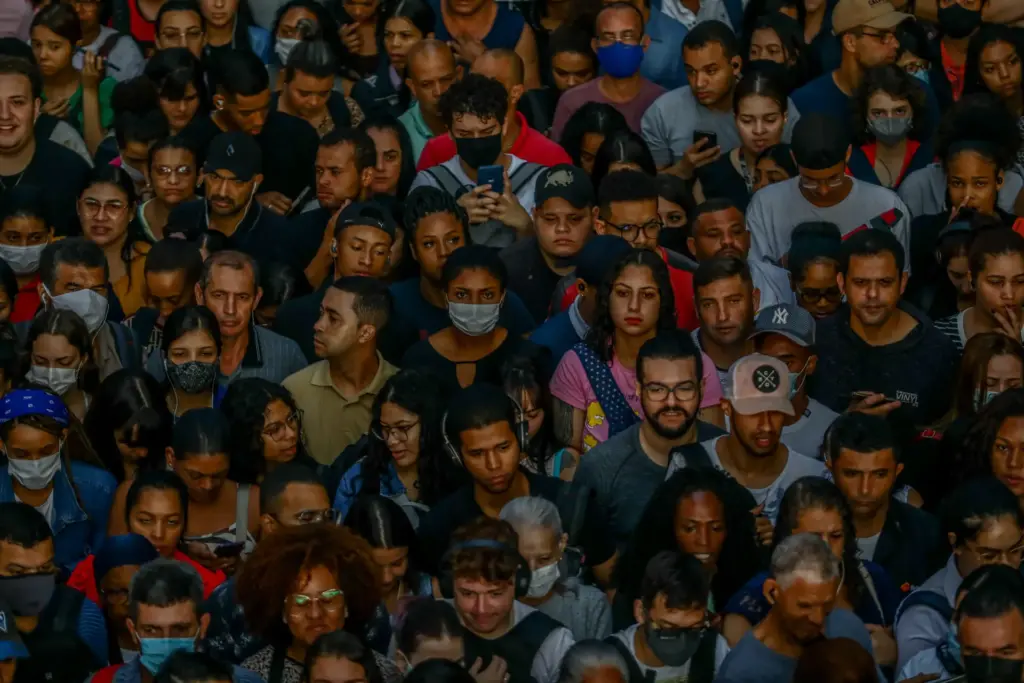
It was during a subway workers’ strike in São Paulo (SP) that photographer Felipe Iruatã captured the photo that, more than a year later, would become part of the manifesto video “Fundamentally, We Know What Matters,” released to celebrate Brazil Fund’s 20th anniversary. Felipe had been out on the streets since before dawn, documenting the city’s movements, when he came across the scene: a crowd of workers at Luz station, one of São Paulo’s main stations.
Born in Salvador, state of Bahia, the photojournalist is known for images with a strong social message. “As a Black photographer, knowing the many forms of violence that affect our people daily, I think it’s important to be out on the streets with my camera, documenting reality and exposing rights violations,” he says. His portfolio includes coverage of police massacres and repossession operations.
The photo taken that morning in São Paulo later appeared on the cover of a major national newspaper and was also entered in the Brazil Fund photo contest. Only later, once it had begun to circulate worldwide, did someone point out to Felipe the similarity between the image and another famous work: the painting “Operários” (Workers), by modernist artist Tarsila do Amaral. The image portrays the diversity of urban workers and hints at how harsh daily life can be for those working in major cities.
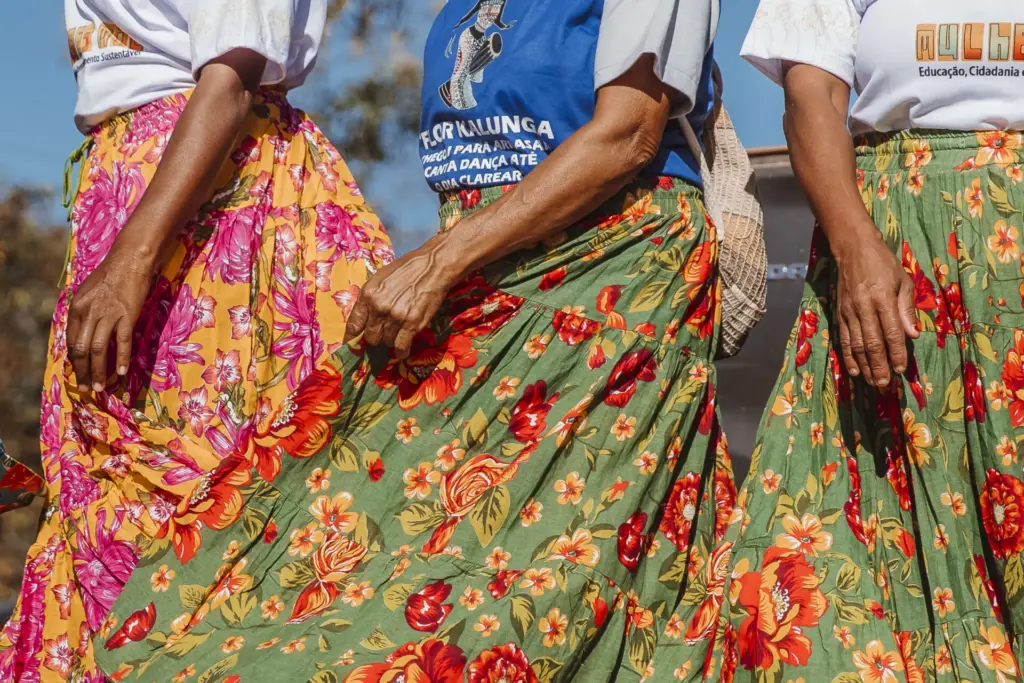
Ana Carolina Lino Costa says she recognized the beauty of her own photo even before taking it. The image, captured in the Kalunga quilombo (traditional communities formed by descendants of escaped enslaved people) — one of the largest in the country — shows women wearing traditional clothing during a dance performance. “In Kalunga culture, hospitality is expressed through dance. In the sussa, the women of the community twirl their colorful skirts, transforming the moment into one of belonging and memory,” says Ana. “Witnessing these women dancing in unison was one of the most moving moments I experienced in the community. Synchrony, color, and tradition dancing together in a celebration of their history of strength and resilience.”
Ana Carolina Lino Costa/ Brazil Fund Archive
Felipe’s and Ana’s works span a wide range of themes, yet they converge in their ability to portray, with striking beauty, various aspects of Brazil’s social reality. This is only possible thanks to the sharp eye, sensitivity, and, why not, the talent of the photographers.
It was precisely this sensibility that we, on the Brazil Fund communication team, wanted to incorporate into the manifesto video celebrating the institution’s 20 years of work.
The film was developed in partnership with Agência Giz and clearly conveys Brazil Fund’s mission: to be where it is needed, strengthening those who defend fundamental rights. “When the world risks going backwards, someone needs to make sure that the essence is preserved” the video narrates.
To tell this story, the team selected 17 photographs that, in their assessment, capture the diversity of Brazilian society and the beauty and dynamism of organizations working for social justice in the country.
These are images that, in addition to their strong political dimension, also carry a profound sense of beauty, much like the struggle in defense of human rights. “The struggle in defense of human rights can also be beautiful; it can also be joyful. It is a proactive fight, seeking to build a better society for everyone. In Brazil Fund’s 20th anniversary, we want to remember just how essential it is to imagine—and build—these other possible worlds,” says Allyne Andrade e Silva, deputy executive director of the institution.
All images are part of the Brazil Fund collection. They came to the institution after being entered in our photo contest: an annual competition, now in its sixth edition, devoted to showcasing images that represent the work and causes of organized civil society.
To further enhance their dynamism, the images were brought to life using artificial intelligence. The technological intervention did not alter the original content of the photographs: the people and settings depicted remain unchanged. The machine’s role was simply to amplify the beauty captured by the human eye.
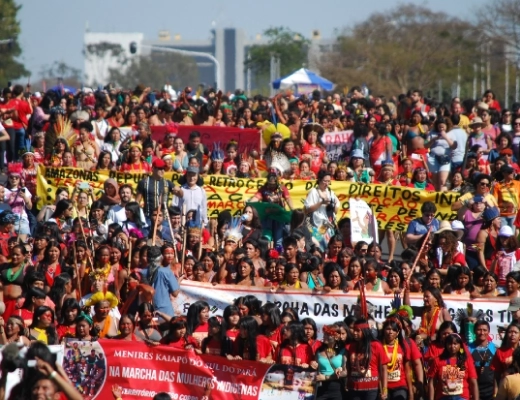
Below, you will find the original photos, without edits. In addition to Felipe and Ana, two other photographers — Mariana Cabral and Ana Paula Talieri — agreed to talk to the Brazil Fund about their work. The testimonials accompany the images.
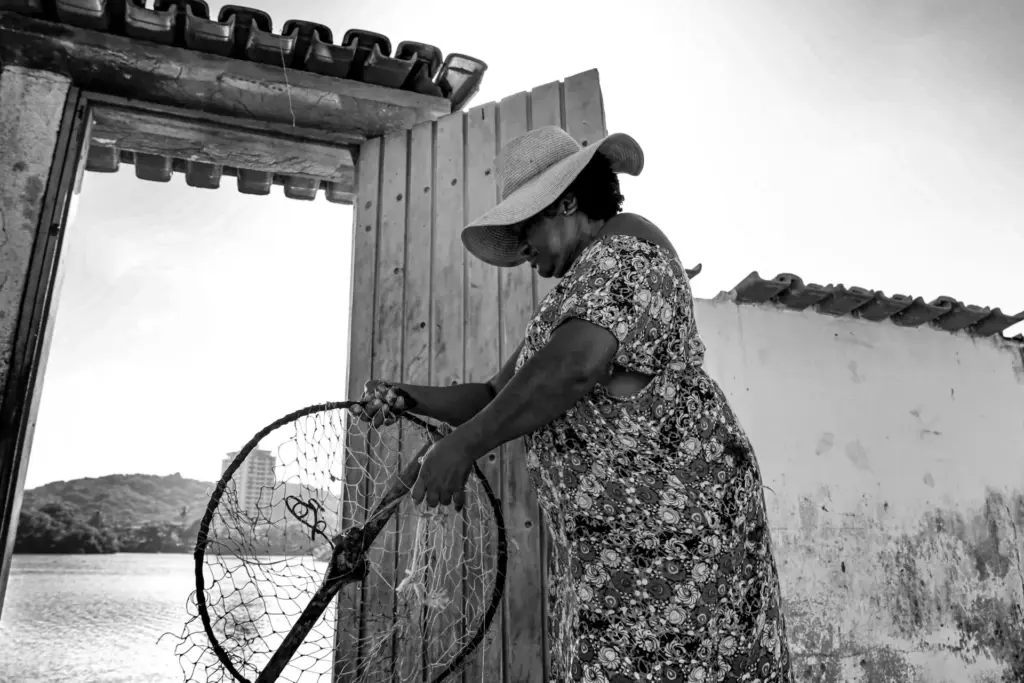
Mariana Cabral/ Brazil Fund Archive
Mariana Cabral:
“The image is part of an original, independent work to recover and preserve cultural heritage that began in 2020, called Raiz de MarÉ.
Its first edition was in photobook format, and it portrays the lives of 5 women: Angelina Santos, Maria Rita dos Santos, Dulciene Costa, Maria Raimunda de Jesus, and Eduarda Rodrigues: all of them mothers, traditional shellfish gatherers, masters of popular culture, and leaders in their communities. In common, they find in the arts of fishing and shellfish gathering the meaning of their work, their families’ livelihood, their connection to nature, and the personal and collective strength they need to protect their rights. Their bodies tell personal stories, bearing the marks of work that is both demanding and risky. At the same time, they stand as a testament to love and dedication to a place that sustains them and provides the financial autonomy they need to keep resisting and pushing back against both personal violence and the encroachment of development projects on the sea and mangroves, on their legacy and their territory.
In 2025, the project was also released as a documentary: ‘Raiz de MarÉ – From Water to Water’. The film presents to the public the experiences of Black and Indigenous women from the Tupinambá de Olivença territory, on the southern coast of Bahia.
To access the photobook and the documentary, click here: https://linktr.ee/marianacvcabral”
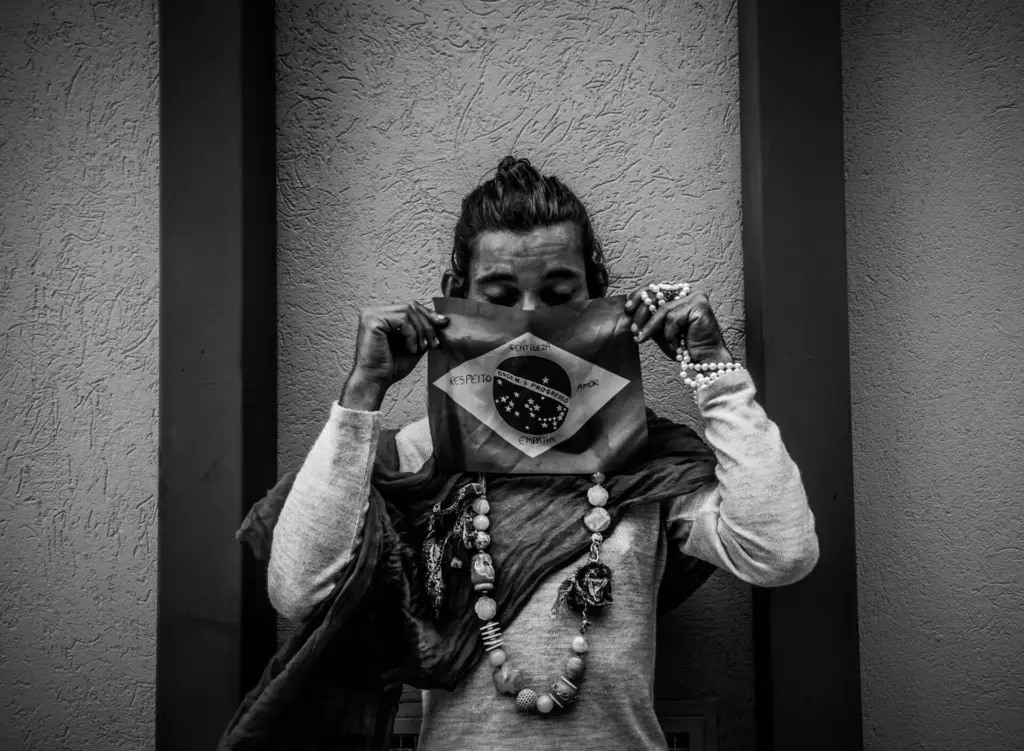
Ana Cláudia Talieri/ Brazil Fund Archive
Ana Cláudia Talieri:
“My photographic project was born from a meeting with a 29-year-old man, who was, at the time, experiencing homelessness, was gay, and lived with HIV, someone whose existence starkly reveals the multiple layers of social exclusion. The motivation behind the images was to give visibility to a reality often marked by neglect, prejudice, and the denial of basic rights. Rafael, the young man in question, was no longer seen on the streets of the city. I tried to find updated information and was told that he is currently in a rehabilitation clinic. However, on the day of the photos, he gave me written authorization to use his image.”
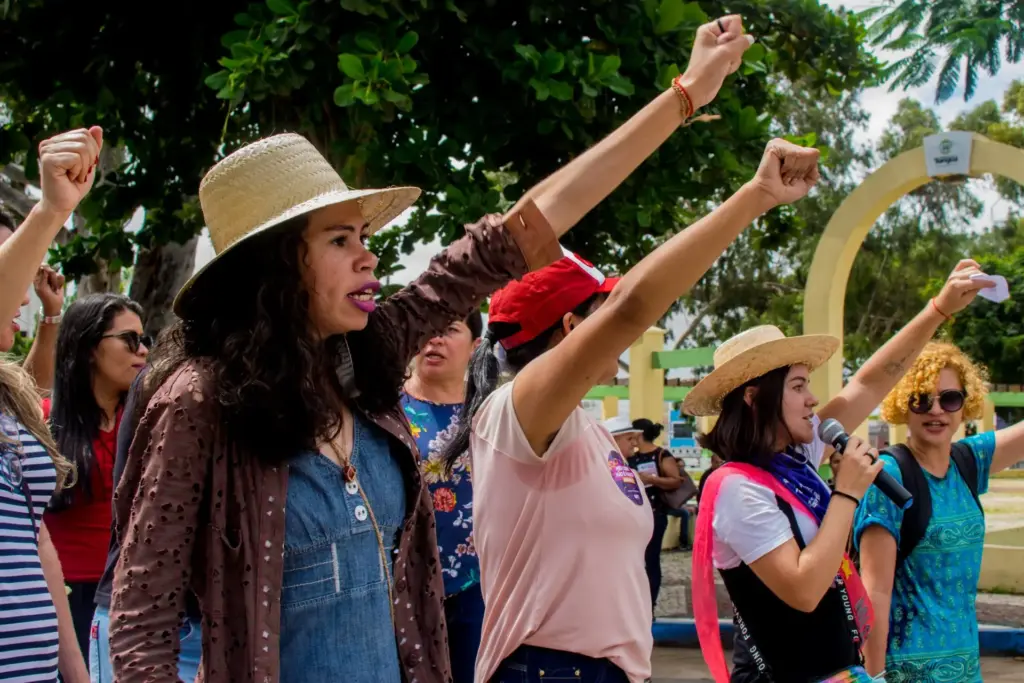
Monaiane Silva Sá/ Brazil Fund Archive
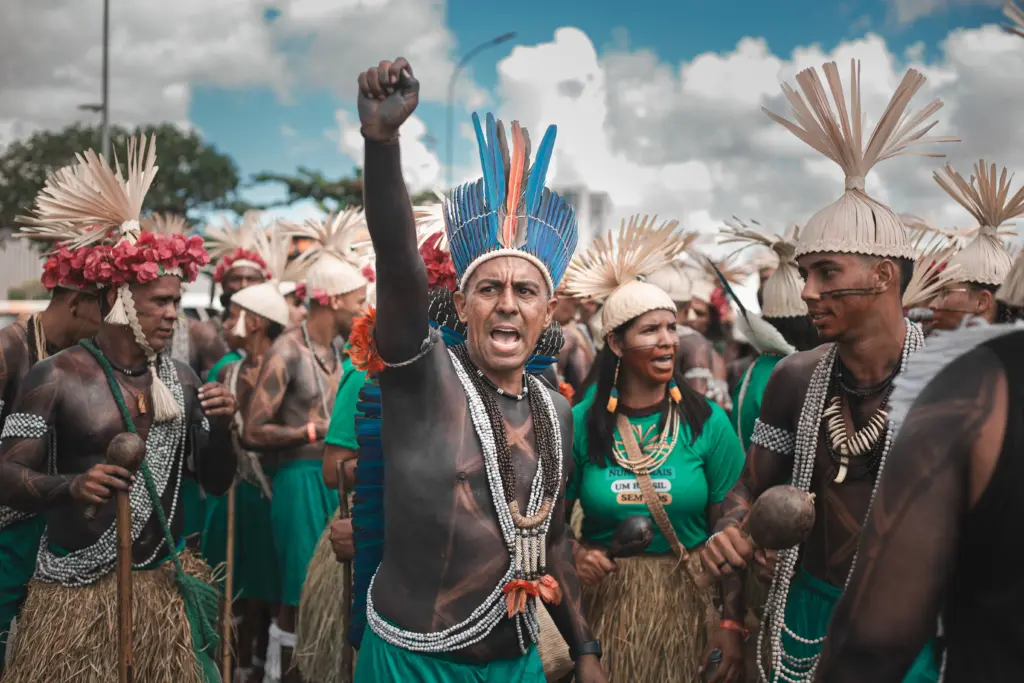
Thácio Coelho/ Brazil Fund Archive
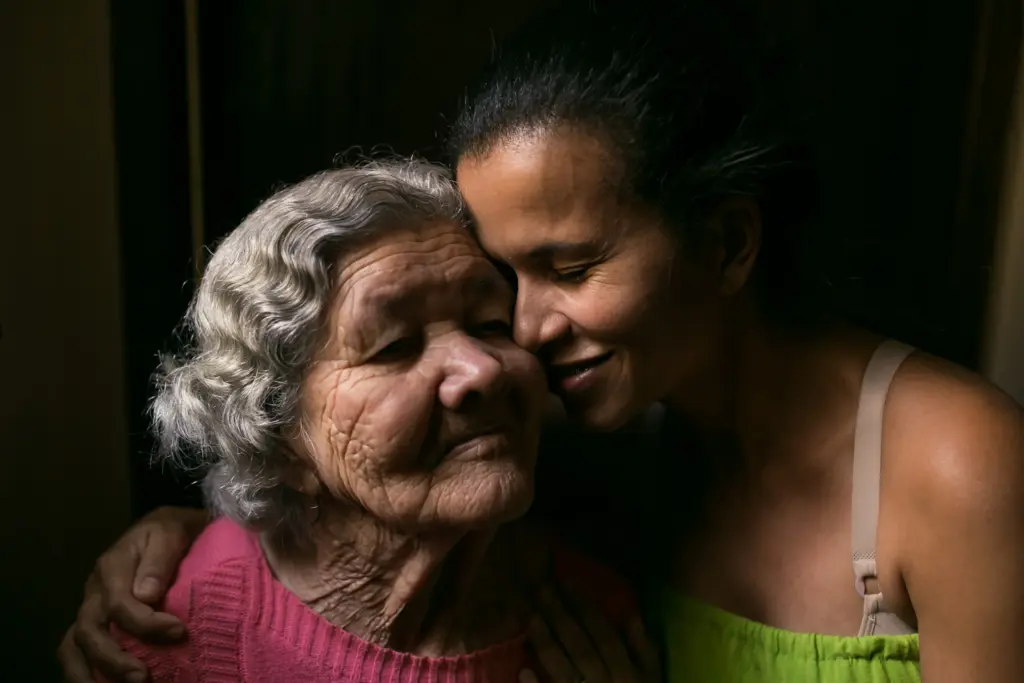
Lucas de Godoy – A Sirene newspaper/ Brazil Fund Archive
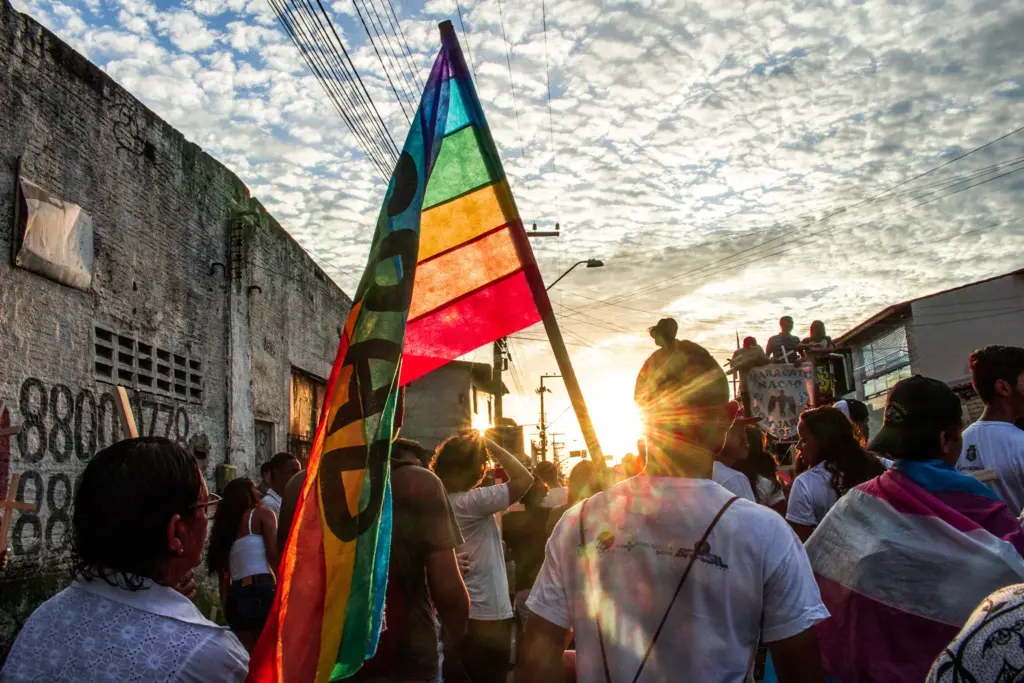
Lucianna Ferreira – Cedeca-CE / Brazil Fund Archive
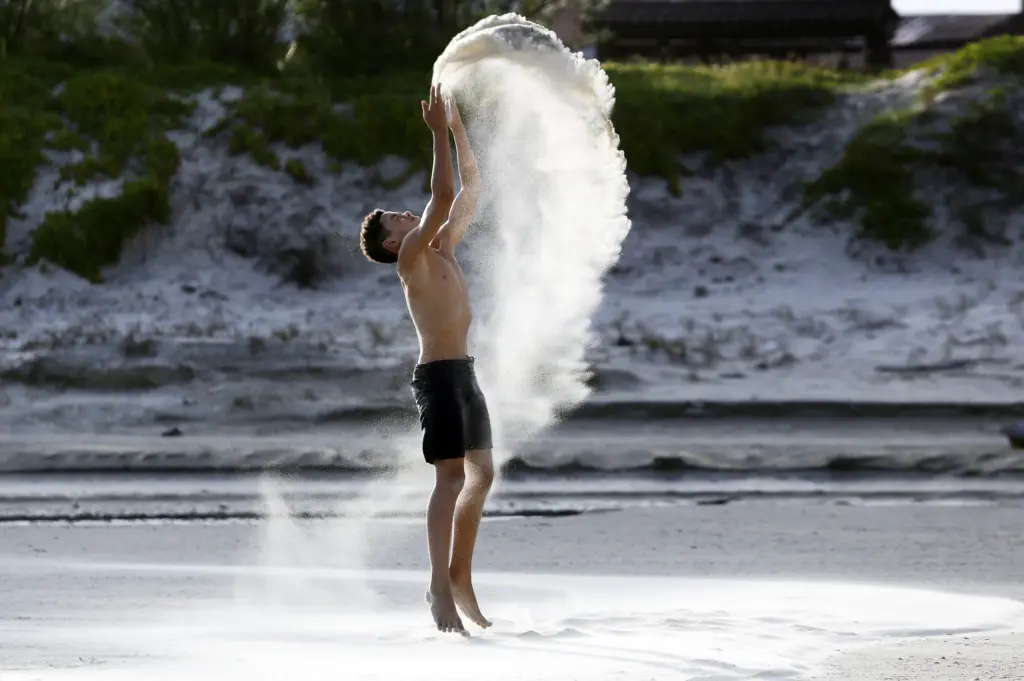
Tânia Meinerz – A Fronteira / Brazil Fund Archive
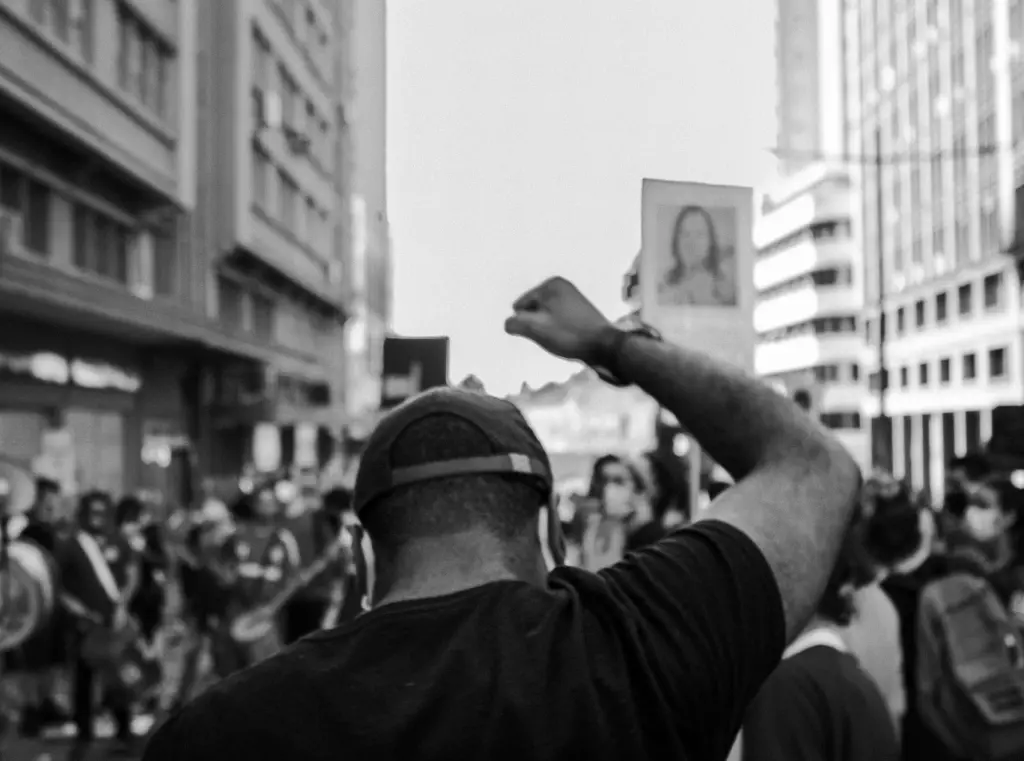
Gustavo Aguirre/ Brazil Fund Archive
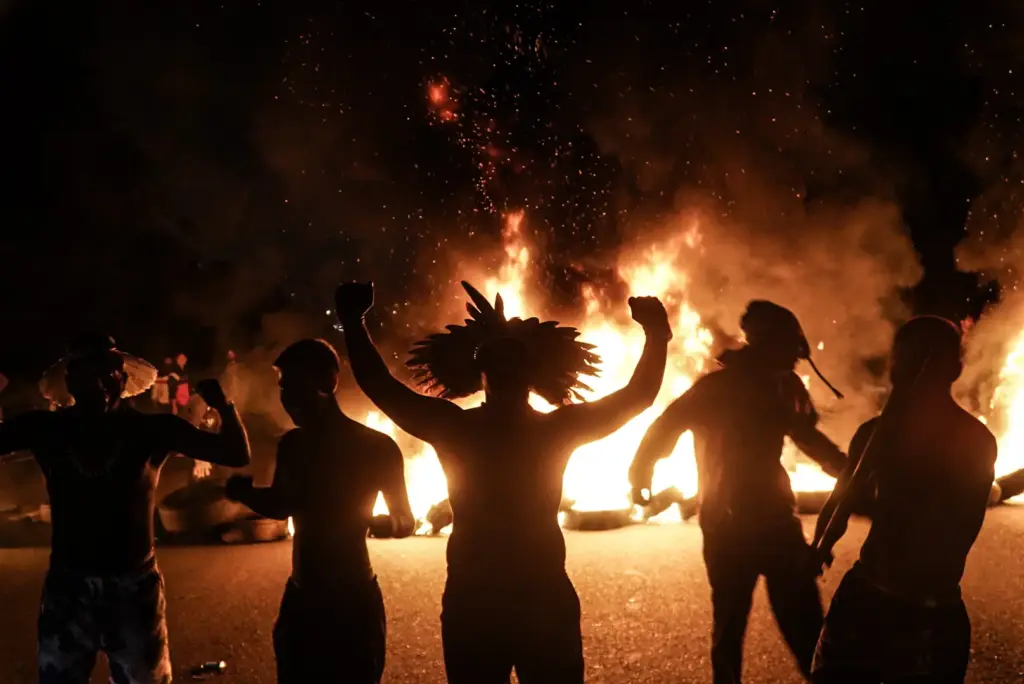
Danilo Santana/ Brazil Fund Archive
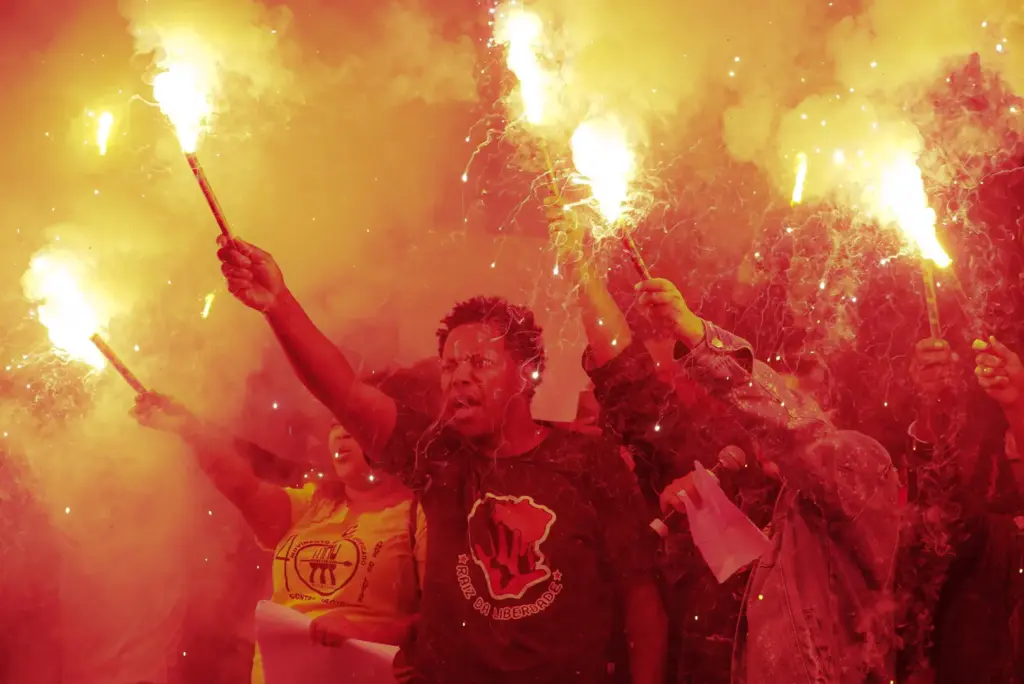
Danilo Santana/ Brazil Fund Archive
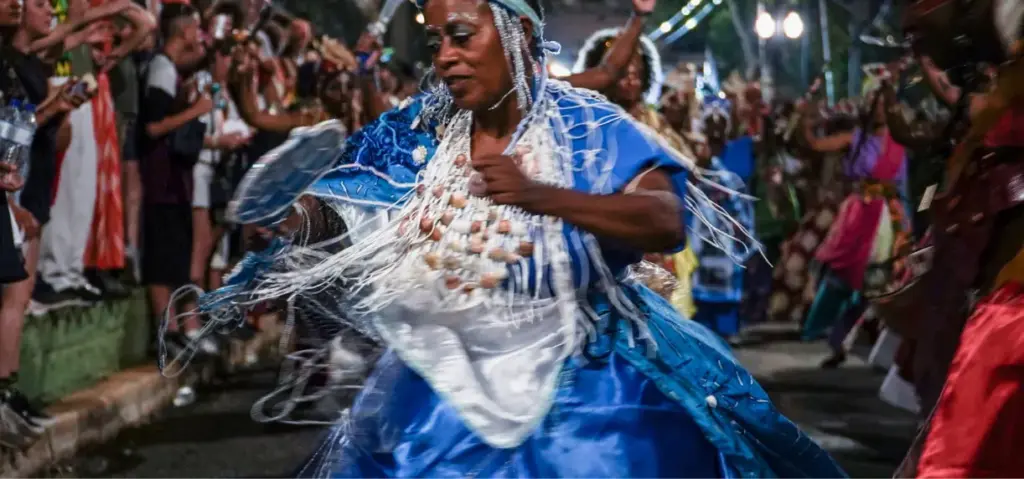
Danilo Santana/ Brazil Fund Archive
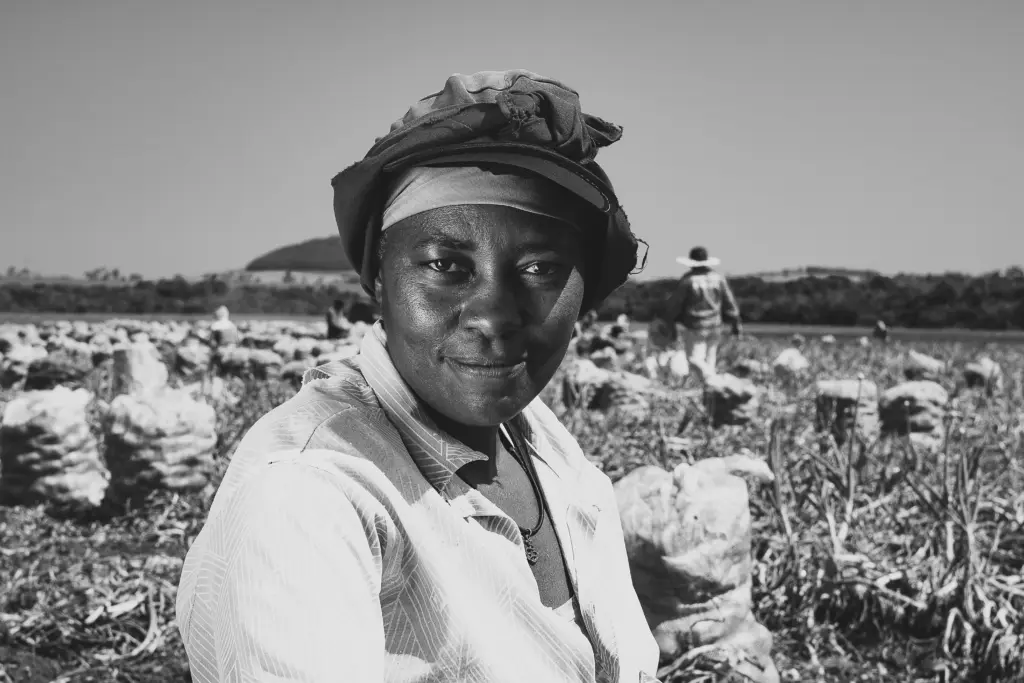
Antonio Mozeto/ Brazil Fund Archive
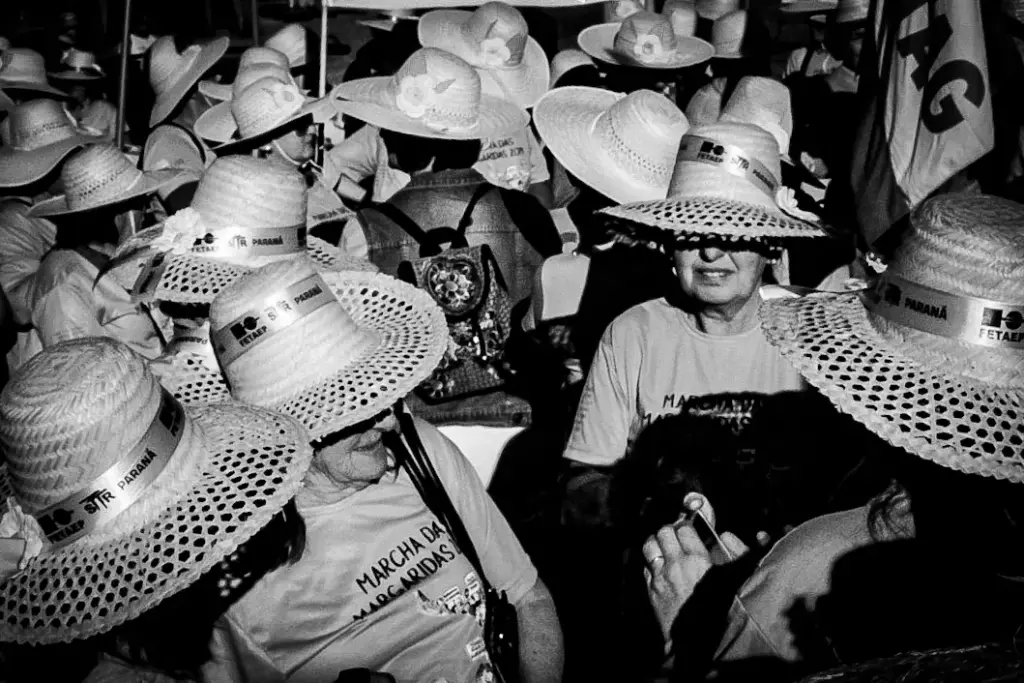
Bianca Taranti/ Brazil Fund Archive
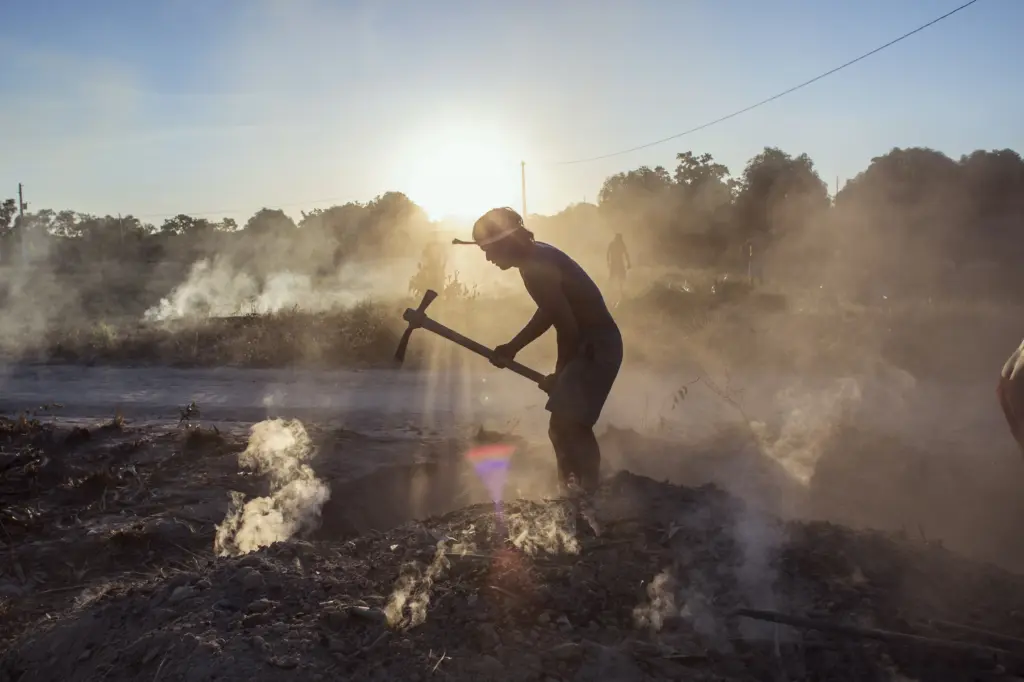
Danilo Vital Marroco/ Brazil Fund Archive
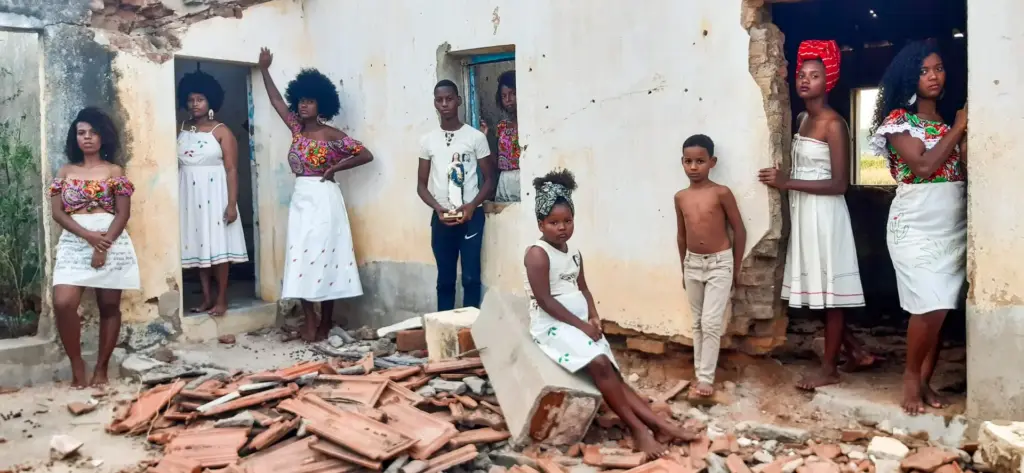
Weverton Santos – Cooperação das Comunidades Quilombolas (Quilombola Communities Cooperation) / Brazil Fund Archive