


Photo: Caio Vinicius Freitas/Brazil Fund Archive
A closer look at Brazil’s social landscape reveals a harsh reality: resources to support human rights defenders in the country are scarce and difficult to access. Why, then, is it so difficult to get funding into the hands of those who need it most?
This is where Brazil Fund comes in. Between those providing grants and those working directly to defend rights lies an ongoing process of mobilization, listening, context analysis, trust-building, and monitoring of supported organizations. The foundation serves as a channel connecting individuals, companies, and foundations that want to provide grants directly to human rights causes and projects across the country.
Through this coordination, a grant from a company in São Paulo, an international foundation, or an individual donor becomes support for a quilombola (quilombos are traditional communities formed by descendants of escaped enslaved people) association in Maranhão, an indigenous organization in Amazonas, or a women’s collective on the outskirts of Recife.
The organization shortens the distance so that social investment reaches where it is needed most, safely and strategically. Transferring resources is only one stage of the process. Ensuring that grants reach territories quickly and effectively requires ongoing work to cut through bureaucracy, provide support, and strengthen supported organizations.
This grantmaking infrastructure exists because those sustaining grassroots work are often far from major urban centers and outside the radar of traditional funders. The focus is on indigenous leaders, traditional communities, youth networks in peripheral neighborhoods, and groups fighting racism in their territories. They are the first to see a problem and take action, yet paradoxically, they are often last in line when it comes to funding because of unreasonable technical requirements.
For this mechanism to work in practice, Brazil Fund organizes the grant journey into four integrated steps:
1. Grantmaking coordination
The work begins by engaging with companies, foundations, and individuals. The role here is one of curation and intellectual honesty: translating the complexity of Brazil’s social landscape for grantmakers and ensuring that funding comes without stifling institutional constraints. Funders need to trust the mechanism.
2. Unfiltered listening
The foundation develops its strategies through continuous dialogue with people who live and work in the territories. This direct exchange helps identify changes in the landscape, such as increasing political violence against women or escalating land conflicts in certain regions, enabling agile responses aligned with local needs. Calls for proposals grow out of this close reading of reality.
3. Accessible calls for proposals
Once the assessment is complete and resources are available for support, calls for proposals are launched. This is where the bar changes. Eligibility criteria are made more flexible, allowing smaller organizations to compete on fairer terms. The evaluation considers factors such as the initiative’s relevance, its connection to the community, the strength of the proposal, and its potential impact. The goal is to ensure that good ideas and track records can be recognized and supported, regardless of the organization’s size.
4. Walking together
The grant is transferred to the organization, but the work continues, far removed from a “fund and forget” approach. Throughout the partnership, organizations take part in meetings, exchanges, training processes, and spaces for dialogue with other groups facing similar challenges in different parts of the country. Topics such as organizational management, financial sustainability, the protection of human rights defenders, strategic communications, and political advocacy are part of this strengthening process.
There is also continuous follow-up — both online and in person — from the Brazil Fund team. This relationship of trust is built to understand challenges, identify opportunities, and support organizations throughout their journey.
Four pathways to respond to reality
This support is flexible; it takes the form required by the urgency of each territory. In practice, Brazil Fund works through four main pathways:
-
Open Calls for Proposals: Public calls that identify and select projects from across the country. This mechanism democratizes the process, allowing new groups and collectives to come onto the grantmaking radar.
-
Invitations to apply: Targeted selections for organizations with an established track record working on specific issues. This is a way to quickly mobilize experienced networks to respond to structural challenges that require a high degree of expertise.
-
Emergency funds: When the risk is imminent, bureaucracy cannot stand in the way. The foundation responds with rapid funding to protect the lives and safety of activists, leaders, and communities facing direct threats because of their work.
-
Complementary support (Mobilization and Networking): Rapid-response funding for groups that already have active projects within the organization’s network. This support enables them to travel to participate in major mobilizations, strengthen regional networking, or intervene in last-minute public policy debates.
What changes when funding reaches the front lines
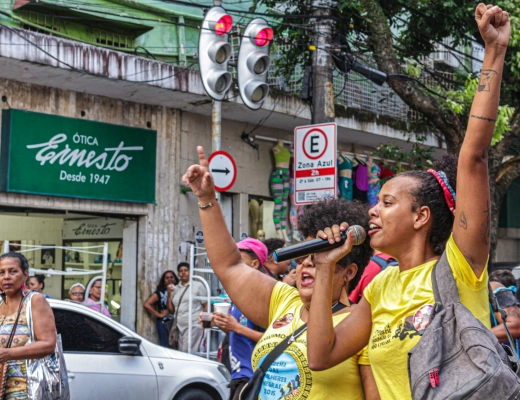
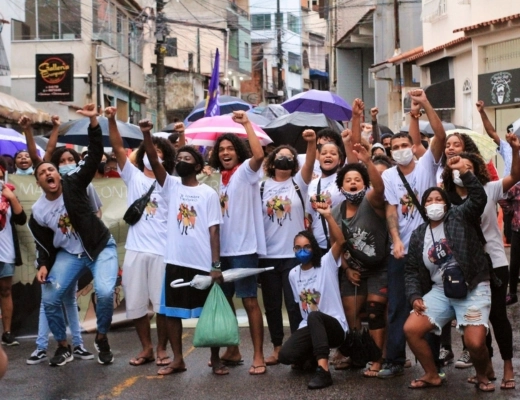
Beyond metrics and institutional reports, the impact of this approach can be seen in practice.
Resources enable groups to put initiatives into action, expand their reach, and respond to urgent challenges in their territories. But they also help sustain something less visible and equally essential: the very existence of these organizations. In many cases, support makes it possible to hire staff, compensate professionals who previously worked on a volunteer basis, improve management processes, invest in communications, purchase equipment, and create more stable conditions for day-to-day work.
This makes a difference because stronger organizations are better able to plan their activities, respond more quickly to emergencies, and expand their capacity for political advocacy and social mobilization.
More resources for grassroots organizations: untangling the funding challenge
While human rights violations are advancing rapidly, groups, collectives, and organizations continue to fight every day to protect the basics. The greatest challenge is not a lack of projects or local capacity; Brazilian civil society is organized and knows exactly what needs to be done. The problem is that the demand for support far exceeds the funding available.
Every year, hundreds of collectives and movements from every region of the country submit well-grounded, urgent, and legitimate projects to Brazil Fund. The foundation seeks to support more and more organizations, but expanding its reach requires philanthropy and social investors to increase their contributions.
Providing resources to the institution means investing in a channel that, for 20 years, has identified and funded those on the front lines. Ensuring the survival of these local organizations is not an occasional choice — it is what keeps democracy alive at the front lines. Funding reaches them because the entire pathway has been designed specifically for that purpose. Now, more support is needed to ensure that no one is left behind.