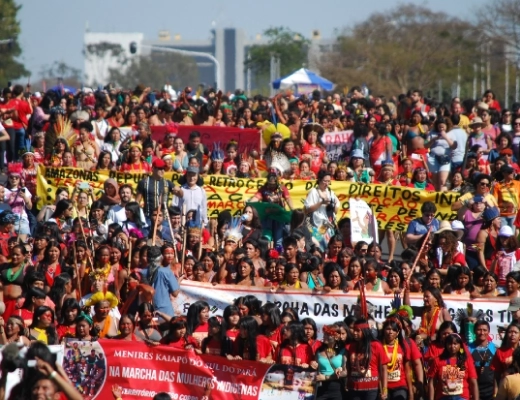




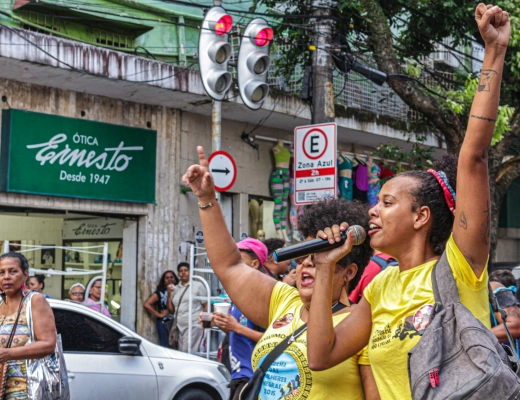
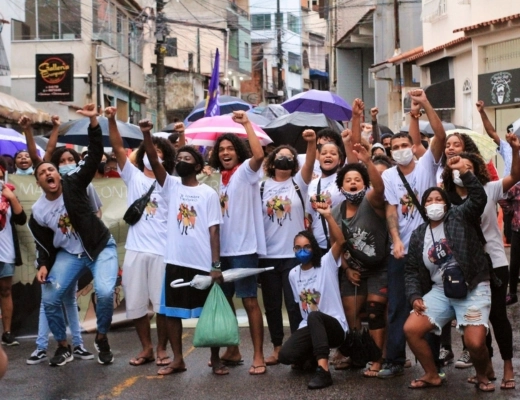
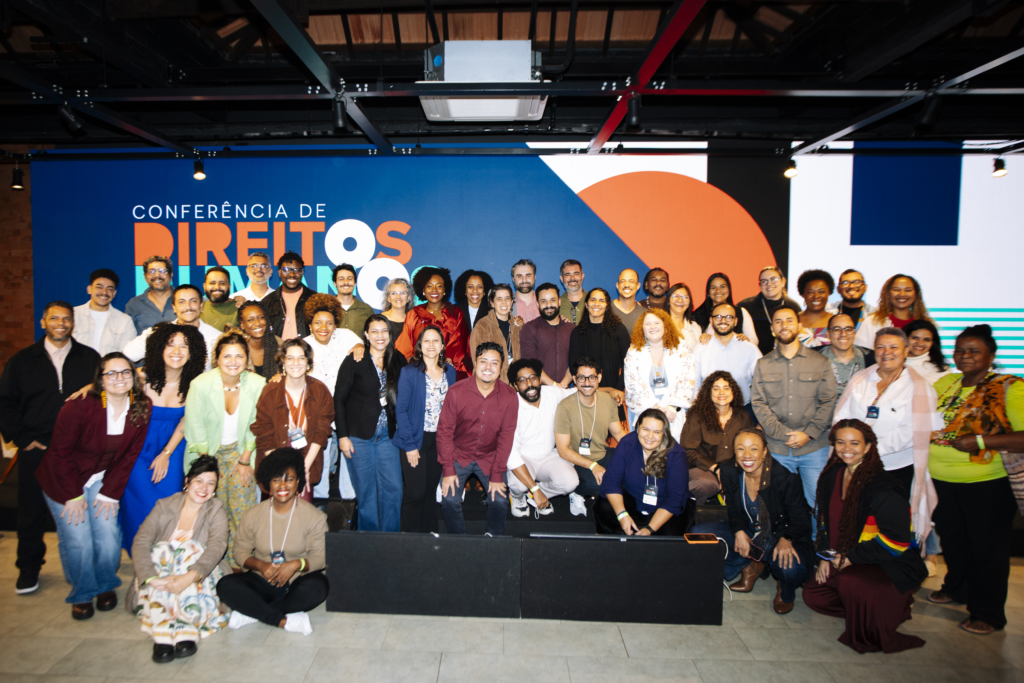
In 2026, the Brazil Fund is celebrating 20 years of activity in support of organizations that are on the front lines in the fight against inequalities and injustices suffered by historically marginalized groups, while defending environmental resilience and Brazilian democracy. On September 9 and 10, the Brazil Fund brought together civil society and activists to mark this achievement at Casa Melhoramentos. Building on these ideas, participants were invited to reflect on potential paths toward “the future we want,” considering the developments along these two decades of activity up to the present moment in the country.
History is Collective
Ideated by activists including Sueli Carneiro, Sérgio Haddad, Darci Frigo, and Oscar Vilhena, with the support of Denise Dora, and formally established by Abdias Nascimento, Margarida Genevois, Rose-Marie Muraro, and Dom Pedro Casaldáliga, the Brazil Fund emerged from the recognition that, despite the progress achieved since democracy was reinstated in Brazil, serious structural problems persisted regarding the architecture of inequality and injustice
Over these 20 years, the Brazil Fund has supported important civil society efforts that resulted in changes related to people’s rights. It did so by seeking mechanisms to finance these fights, decentralize funding, and deliver it to groups and organizations throughout Brazil, at the forefront in the fight for rights and respect for violated rights.
The first public call for proposals was launched in 2006, aiming to support 20 projects over the course of a year. Today, the Brazil Fund supports more than 550 initiatives per year, exceeding the mark of 2,500 projects in two decades, and totaling more than R$140 million in grants to groups, collectives, and human rights organizations across the country.
“We are an organization that prides itself on supporting social movements, strengthening and structuring civil society to defend the issues that are priority in the field of human rights. Where vulnerability is greater and silencing is imposed, the Brazil Fund has always made a point of being present, unwaveringly respecting the autonomy of the organizations it supports,” highlighted Ana Valéria Araújo, who acted as executive director of the Brazil Fund for these 20 years and is now leaving the position.
The Human Rights Conference – Civil Society, Brazil’s Challenges, Philanthropy, and the Next 20 Years, organized by Fundo Brasil, which celebrates the 20th anniversary of the Brazil Fund, recognized the progress made during this period, celebrating achievements that have profoundly transformed the country through the mobilization of civil society. It also looked at the complexity of the current national and global moment, marked by accelerated transformations in the global geopolitical context, the rise of authoritarianism, and environmental destruction, as well as the rise in extremism, the erosion of fundamental guarantees, and the emergence of new forms of human rights violations. Policymakers in Brazil continue to struggle to address these major problems.
“For the Brazil Fund, there is no real democracy without an autonomous, vibrant, and strengthened civil society, capable of standing for its own rights. Democracy is, indeed, the only system that enables civil society to organize itself, challenge power, set the agenda for public debate, and demand dignity. The Brazil Fund is today a consolidated actor supporting organizations that fight for human rights in Brazil and a relevant player in the field of Brazilian philanthropy, practicing and developing social justice philanthropy. We have been networking with other funds with similar characteristics to ours, in an intentional and strategic move to promote this differentiated way of doing philanthropy,” said Ana Valéria.
What Kind of Future Do We Want for the Next 20 Years?

Ana Valéria Araújo, Allyne Andrade e Silva, and Flavia Scabin | Photo: Rebeca Figueiredo
The Human Rights Conference mobilized hundreds of people around a common challenge: engaging in dialogue and bravely planning for the next 20 years, imagining the future we want for human rights and for the country.
On the first day of the event, five panels led key discussions on climate change, legislation defending LGBTQIA+ rights, antiracist philanthropy, and attacks on democracy and rights. Despite the diversity of these topics, the panels converged on perspectives for the future, highlighting the leading role of civil society in proposing transformative solutions based on the centrality of rights protection.
More than one panel reflected on current disputes over the meaning of human rights with the conservative field—which has begun to mobilize its supporters in other ways, even taking to the streets with some intensity—and the need to break through the “seclusion” of the debate, so that more people may understand this agenda (in the words of Ronilso Pacheco, from ISER).
According to Tatiana Vargas Maia, from UFRGS, “Human rights have acquired a centrality in political discourse that we did not see before. The far right proposes a new way of talking about freedom and equality, from a different perspective. The fight for human rights must be understood as a field of permanent dispute, constantly under tension. We are not arguing about being for or against it, but rather about the meaning of these rights.”
The understanding that democracy needs to be placed at the center of the fight was also highlighted. In the words of Oscar Vilhena, from the Getúlio Vargas Foundation, it is through the erosion of democracy that all progress in the area of human rights is dismantled. “Although we always fully recognized the progress that democracy brought to Brazil and other countries around the world, perhaps we didn’t have a clear perception, 20 years ago, of the magnitude of the reaction to our work.”
The impacts of digital platforms on the circulation of information and how this relates to rights and democracy also mobilized the public, stemming from a discussion on recognizing the need to develop a digital sovereignty policy. This does not mean simply reacting to decisions made by large corporations, but rather developing our own capacity to define which technologies we want to use and which problems we want to solve with them.
Cuts in funding for antiracist efforts, stemming from the rise of the far right on the global stage, were also discussed on the first day. Participants in the thematic panel acknowledged the reduction in funding to this cause, but also highlighted the need to view this reality from the perspective of historical progress, emphasizing once again the achievement of affirmative action policies. They also highlighted the importance of transforming the logic of project funding into a philanthropy model capable of sustaining organizations in the long term and recognizing their political autonomy.
The new challenges facing the LGBTQIAPN+ community, 15 years after achievements such as the recognition of same-sex civil partnerships by the Supreme Federal Court (STF), were also addressed at the conference. The latest edition of a report produced by the Observatory of LGBTI+ Deaths and Violence recorded 230 deaths of LGBTQIAPN+ people in Brazil. As a way to continue fighting for the cause, some essential points were raised, such as electing more legislators to guarantee and expand rights; and using communication as a tool for this fight, with the production of data and the dissemination of news reports.
The role of Indigenous peoples, local communities, and social movements in decisions regarding the climate crisis was also discussed. Being present in these decision-making spaces is a recognized achievement led by the Indigenous peoples themselves, but there are persisting limitations to this engagement. Participation in COPs (UN Climate Conferences) was presented as a goal that should not be viewed in isolation, as the construction of climate justice depends on organization at the territorial level, knowledge production, communication, funding, and pressure on governments.
Jobs, Security, Territories, Finance, and the Power of Utopia for Transformation
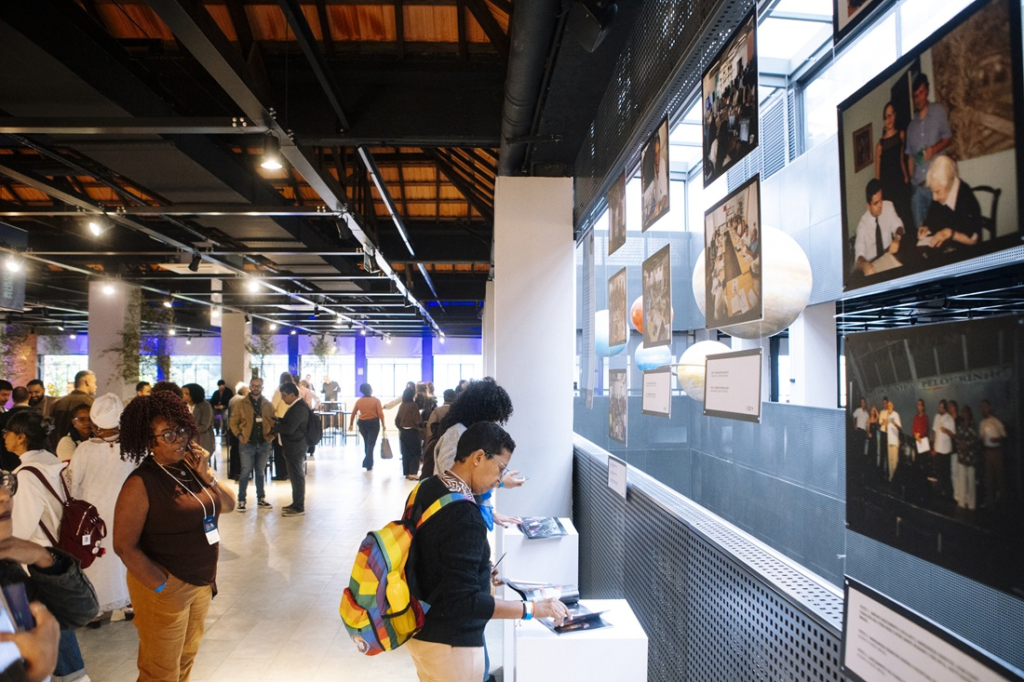
Exhibition highlighted Fundo Brasil’s history | Photo: Rebeca Araújo
On the second day, simultaneous roundtables filled the venue, covering topics such as labor, public security, financing and the importance of local funds, violence against women, protecting the rights of local communities, and the role of companies in financing civil society organizations for the defense of rights.
Tensions and contradictions in the relationship between private institutions, which fund civil society, and human rights organizations were among the points raised, as well as the difficulty these institutions face in making sure the funds may reach these organizations. The view that Brazilian inequality is a historical debt and results from the accumulation of wealth brought the contradictions of these relationships to the forefront of the debate.
Local and independent philanthropy was highlighted as an essential alternative source of funding for the Global South. Organizations such as the Brazil Fund are part of this financing architecture, standing out for streamlining access to resources and recognizing solutions designed by autonomous groups and communities that experience the problems firsthand.
In the field of labor, the Human Rights Conference – Civil Society, Brazil’s Challenges, Philanthropy, and the Next 20 Years discussed the challenges of coordinating labor struggles and securing rights amidst the expansion of the gig economy and precarious work, and the need to integrate labor agendas with those of racial and gender equality to strengthen collective resistance and bring unions closer to their bases.
The expansion of energy, mining, and infrastructure projects, which raised disputes about territories occupied by Indigenous peoples, Quilombola communities, and other local communities, was also addressed on the second day. Despite historical achievements such as the 1988 Federal Constitution and ILO Convention no. 169, these communities still face daily pressures driven by the view of nature as a commodity. This is further exemplified by cases such as the Alcântara Space Center, which reinforces the urgency of political and collective resistance in defense of their territorial and identity rights.
The urgent need to address mass incarceration in Brazil shaped the debate on public security and criminal justice. Experts discussed the need for public security grounded in human rights and the preservation of life, criticizing the rise of “enemy criminal law” and advocating for disinvestment in lethal police equipment. Advances such as custody hearings, social offices, and the Just Sentencing Plan (Plano Pena Justa) were highlighted, emphasizing the importance of social participation and access to rights for survivors of incarceration
Violence against women and its new forms of manifestation was the subject of discussions that recognized the historical fight that resulted in equal rights between women and men being enshrined in the 1988 Constitution, as well as the Maria da Penha Law. However, available data show that violence persists and takes on new forms, including in the digital environment. This leads to the recognition that the State lacks public policies to protect women, in particular to prevent violence, with the gap being filled by social organizations and movements.
The power of utopia to transform reality was the key point of the final plenary session of the conference. Imagining new worlds may be considered the first step towards change. Rebuilding a sense of community, belonging, and well-being was the central call of that moment. Two cases exemplified the power of this sense of collectivity in transforming realities: the mobilization for affirmative action policies and the anti-asylum movement. Attention was also given to the movement around the end of the 6×1 work schedule.
By remembering the achievements in the area of human rights and acknowledging the long way ahead, the panels highlighted the importance of youth in maintaining the fight, with a critical role in defending what has already been achieved and in transforming structures that urgently need improvements to guarantee more dignified, broad, and decent civic rights for all Brazilians. The training of future journalists and communicators is equally important to ensure that discourses are not riddled with misinformation and that actions can be conducted transparently. All the panels at were moderated by journalists.
Building the Future
In her closing remarks at the event, Allyne Andrade, executive director of the Brazil Fund, reaffirmed the challenges against democracy in Brazil and around the world, which were addressed throughout the conference, and called for a renewed focus on the future.
“We reaffirm our commitment to human rights as a pact to move toward a society that guarantees dignity for all people. Together, we are certain that many of us are together on this journey. By valuing one’s own origins and learning from history, we may build our future by dreaming, imagining, and making the adaptations that the current context demands. We must respond to the demands of the present with joy, boldness, attentive listening, genuine dialogue, engagement, and creative courage in order to be contemporary with our own time.”
List of Conference Panels
Throughout the two-day event, all panels were monitored by students from the Junior Journalism (JOTA) program at the USP School of Communication and Arts. JOTA is a pioneer in the field of journalism within the Junior Enterprise Movement (MEJ).
In total, 11 students from the institution helped to produce journalistic materials for the Brazil Fund’s website and social medias, in a strategy that aimed to promote journalism and also put future communicators in contact with the diversity of human rights agendas.
The articles produced are listed below:
September 9:
PANEL 1: Human Rights Under Attack: Why We Still Insist, and What Is at Stake Now
PANEL 2: The Machine Against Democracy: Platforms, Algorithms, and the Fight for Rights
PANEL 3: From Black Lives Matter to Funding Cuts: How to Refocus Philanthropy’s Attention on Fighting Racism?
PANEL 4: COP in the Amazon. So What? Lessons from the Ground for Climate Justice
PANEL 5: From Court to Congress: Obstacles to LGBTQIA+ Rights in the Legislature
September 10
PANEL 6: Businesses and Human Rights: How to Ensure Efficient Funding for Civil Society Organizations?
PANEL 7: How Can We Move Towards a Public Security and Criminal Justice System That Respects Human Rights?
PANEL 8: A Collective Solution: Challenging the New Order of Labor Organization to Secure Rights
PANEL 9: The Importance of Local, Community, and Independent Funds for Strengthening Organized Civil Society
PANEL 10: Infodemic of Violence Against Women: How to Address the New Challenges in Gender-Based Violence?
PANEL 11: New and Old Challenges to Guaranteeing Territorial Rights for Indigenous Peoples, Local Communities, and Quilombola Communities
PANEL 12: The Utopia of Human Rights: Laying the Foundations for a Better Future
*Renata Paes, member of the Junior Journalism program at the USP School of Communication and Arts, under the supervision of journalist Mônica C. Ribeiro.